
Local Bird Finder
What birds can you find in your area?
Different postcodes in the UK offer different habitats and attract different species of birds. Use the tool below to see which species are visiting your area right now. Simply enter your postcode, choose the current month, and pick your level of spotting difficulty to see what you might find in your area. Learn what different birds look for and how to attract them.

Starling
Habitat:
Woodland, upland, urban/suburban, marine/intertidal, farmland, wetland, and grassland.
How to Attract:
Provide nest boxes (45mm hole) and fresh clean water in a shallow dish. Keep a natural grass lawn mown short for foraging.
Diet:
Bird Call:
Spotting Difficulty:
Easy
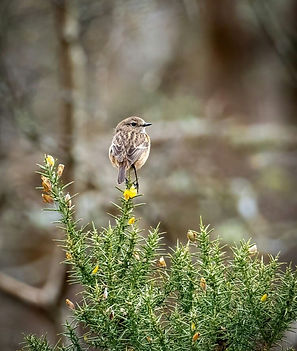
Stonechat
Habitat:
Heathland, coastal scrub, and boggy areas.
How to Attract:
They rarely visit feeders but love gardens with gorse or scrubby bushes.
Diet:
Bird Call:
Spotting Difficulty:
Medium

Swallow
Habitat:
Farmland and open pasture near water.
How to Attract:
Keep outbuildings (barns/sheds) accessible for nesting on ledges.
Diet:
Bird Call:
Spotting Difficulty:
Easy

Swift
Habitat:
Urban environments, towns, and cities.
How to Attract:
Install specialized "Swift boxes" high up under eaves.
Diet:
Bird Call:
Spotting Difficulty:
Easy

Tree Pipit
Habitat:
Woodland edges, heaths, and clearings with isolated trees.
How to Attract:
They require mature trees as "song posts" next to open ground.
Diet:
Bird Call:
Spotting Difficulty:
Medium

Tree Sparrow
Habitat:
Farmland, woodland edges, and rural gardens.
How to Attract:
Provide hanging feeders with sunflower hearts and high-quality seed mixes.
Diet:
Specifically enjoys insects
Bird Call:
Spotting Difficulty:
Medium

Treecreeper
Habitat:
Woodland, parks, and gardens with mature trees.
How to Attract:
Rarely uses feeders; maintain mature trees with rough bark.
Diet:
Specifically enjoys insects
Bird Call:
Spotting Difficulty:
Medium

Twite
Habitat:
Moorland (summer); coastal saltmarshes (winter).
How to Attract:
Rarely in gardens; prefers wild, treeless landscapes.
Diet:
Bird Call:
Spotting Difficulty:
Difficult

Wheatear
Habitat:
Open rocky country, pasture, and moorland.
How to Attract:
They avoid typical gardens; they need short grass and open views.
Diet:
Specifically enjoys insects
Bird Call:
Spotting Difficulty:
Medium

Whinchat
Habitat:
Upland hay meadows, heaths, and marginal grasslands.
How to Attract:
They require varied ground vegetation and low bushes for perching.
Diet:
Specifically enjoys insects
Bird Call:
Spotting Difficulty:
Medium
Understanding Your Local Bird Sightings
Why do results change month by month?
Bird populations in the UK are highly seasonal. During the Spring (March to May), certain birds will be returning to local habitats to breed. In Winter (November to February), your postcode search might reveal Fieldfares or Redwings that have flown in from Scandinavia to escape the cold. By selecting the specific month, our tool filters out migratory species that aren't currently in the UK, giving you a realistic picture of what you may be able to hear and spot near you.
Tips for better bird watching
1) Listen Before You Look: Use the audio player on our bird cards to memorize songs. Often, you will hear a bird long before you see it.
2) Right Time of Day: Most activity occurs during the "Dawn Chorus" or just before dusk.
3) Provide a Habitat: To see more "Very Easy" birds at home, consider bird-friendly planting or installing a feeder with high-quality sunflower hearts or suet.